
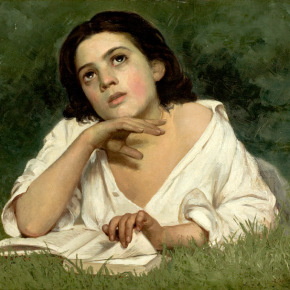
Are We Taking the Thought out of Nonfiction?
by Hannah Morgan We’ve all heard it a million times: “Show, don’t tell.” In creative writing classrooms nation-wide, this is the guideline. So, naturally, a commonly voiced criticism in workshops is something like: “This doesn’t need to be stated outright; it would be more engaging if the reader could glean it from the scene.” I have...
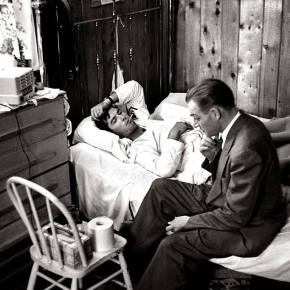
The Role of Narrative in Medicine
Sayantani DasGupta, a faculty member at Columbia University’s Program in Narrative Medicine, lends her perspective on the importance of narrative in medicinal practice to Creative Nonfiction Magazine in the article “Narrative Medicine, Narrative Humility.” The article is definitely worth a read in full, but below is a particularly poignant excerpt: “Narrative Medicine is the clinical and scholarly movement...

Irish Storytelling: Broad Street Runs Through It
Ireland’s 1976 Tidy Town winner, “Ireland’s Best Kept Town,” casts its Broad Street past thatched-roof cottages. The rural homes of Adare in Limerick County maintain the same thatched style of a century ago (see the pictures below). Gathering wheat straw, reeds, heathers and sedges into thick clumps, the townspeople built their thatched roofs to be resistant to quickly spreading...
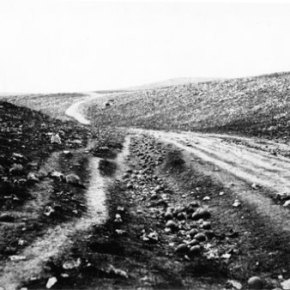
Truly Embellished Nonfiction
Nonfiction writers and readers are no strangers to the dialectic between those who think there is room in nonfiction for embellishment, and those who disapprove of any kind of fact-bending. At the heart of the debate seems to be a disagreement of what it means for a story to be true. Is a story true...
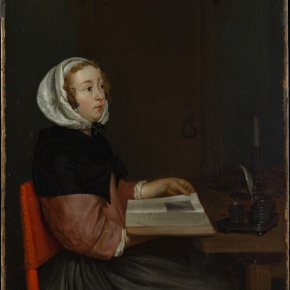
Do Stories Benefit Us?
The common sentiment among writers and readers is that stories are good for us, and many would say that we need stories. Tim Parks explores this idea for the New York Review of Books blog. Why do we claim that stories benefit us, or fulfill a need? Is it because they allow us to find ourselves in an...


