
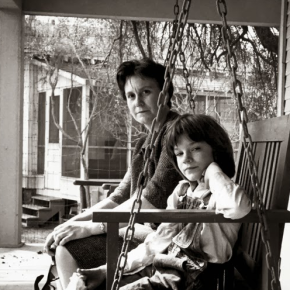
The Curious Case of Harper Lee vs. the County School Board
by Jamal Stone Harper Lee’s To Kill a Mockingbird has become a rite of passage for middle- and high-school students for its sensitive approach to mature topics such as racism, rape, and murder. But in 1966 some parents found its subject matter “immoral.” At least that was the reason given when Virginia’s Hanover School Board, then embroiled in the...
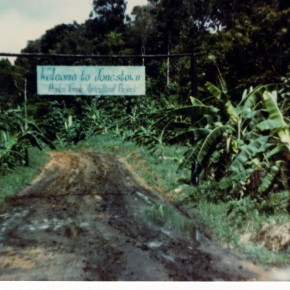
Julia Scheeres Documents the Untold Story of Jonestown
This week we recommend the Longreads exclusive excerpt of journalist Julia Scheeres’s New York Times bestselling investigative work, A Thousand Lives: The Untold Story of Jonestown. In this piece, Scheeres follows the story of Tommy Bogue, a troubled teenager who followed his parents from San Francisco to the ill-fated Jonestown compound founded by Jim Jones deep in the Guyana...
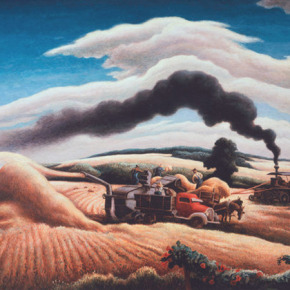
The Woman Behind “The Grapes of Wrath”
by Carla Dominguez Sanora Babb was a writer, poet, and journalist who spent most of her adult life living in the shadow of John Steinbeck. By a strange twist of fate, the meticulous notes she took during her time visiting migrant workers in the Dust Bowl underpinned two novels: her own, Whose Names Are Unknown, and...
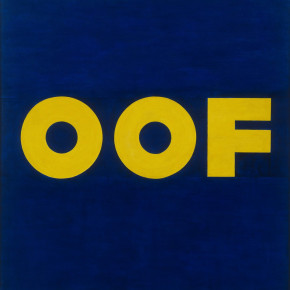
Edward Ruscha’s Deadpan Artistry
by Carla Dominguez Edward Ruscha was the wrong kind of pop artist. While other pop artists were moving away from the movement’s Dadaist roots and pursuing an avant-garde image, Ruscha maintained the simplicity and quiet truth of the movement using direct, even dull, photographs and paintings. The pop-art movement came loudly and boldly, using images...

Mary Karr on Reading and The Art of Memoir
This week we recommend an interview with poet and memoirist Mary Karr at The Paris Review, The Art of Memoir No. 1. In the interview, Karr, the author of the memoirs The Liars’ Club, Cherry, and Lit, as well as four volumes of poetry and other works, speaks with Amanda Fortini on the nature of memoir,...


